
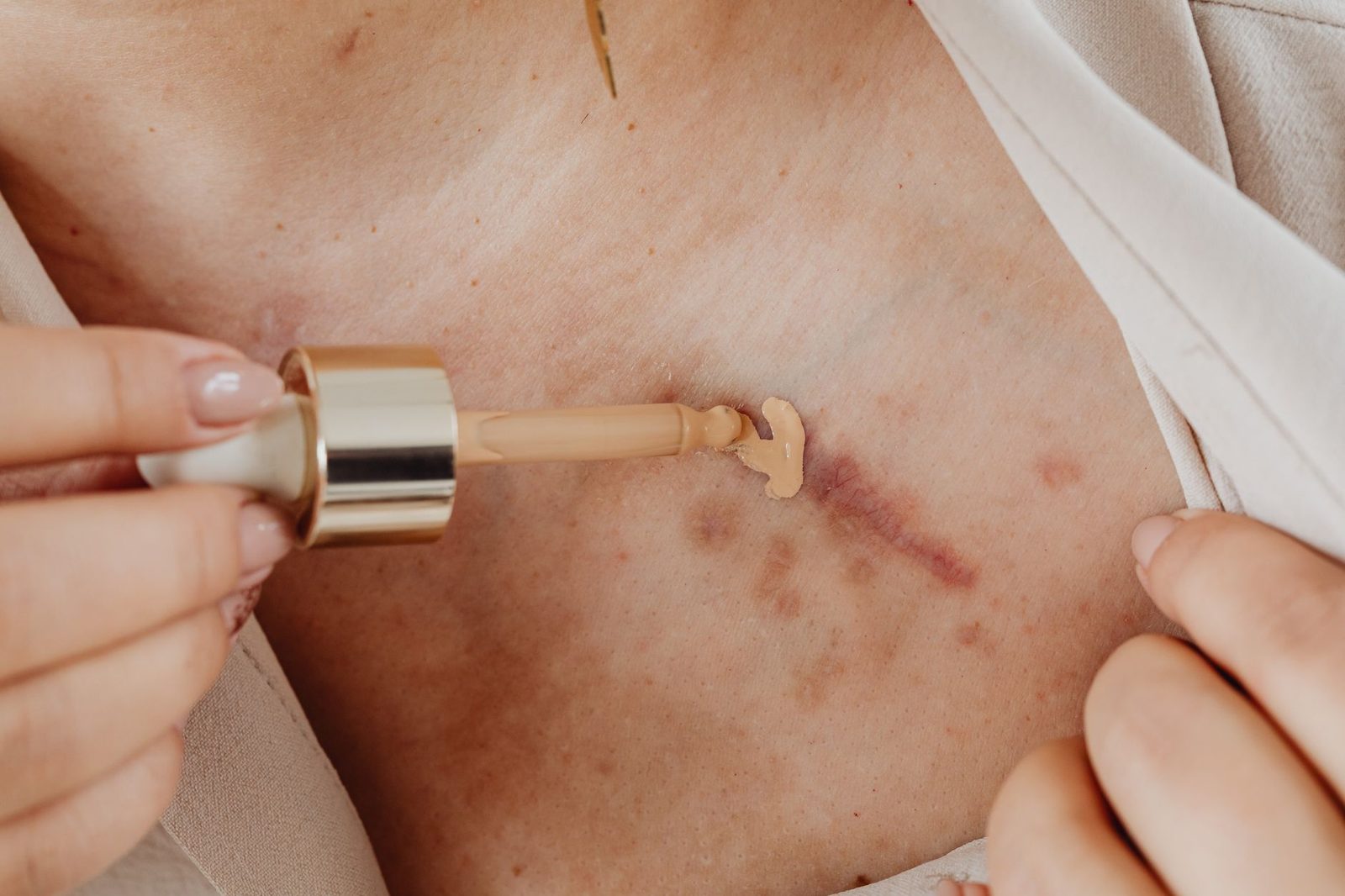
What does "makeup coverage" actually mean? It means how much a product hides on your skin. Some products let your skin show through. Others cover it almost fully. The right choice depends on your skin, your goals, and the day ahead.
Makeup coverage is not one fixed thing. It sits on a scale. On one end, you have sheer, barely-there formulas. On the other end, you have full coverage that can mask scars or deep discoloration. Most people land somewhere in the middle, and that's normal.
This guide walks through the full range of makeup coverage. We'll cover foundations, concealers, and primers. You'll learn how to pick the right coverage for your skin type, your skin concerns, and the occasion. No fear-mongering here. Just clear, calm guidance.
Understanding Makeup Coverage: Sheer, Medium, and Full
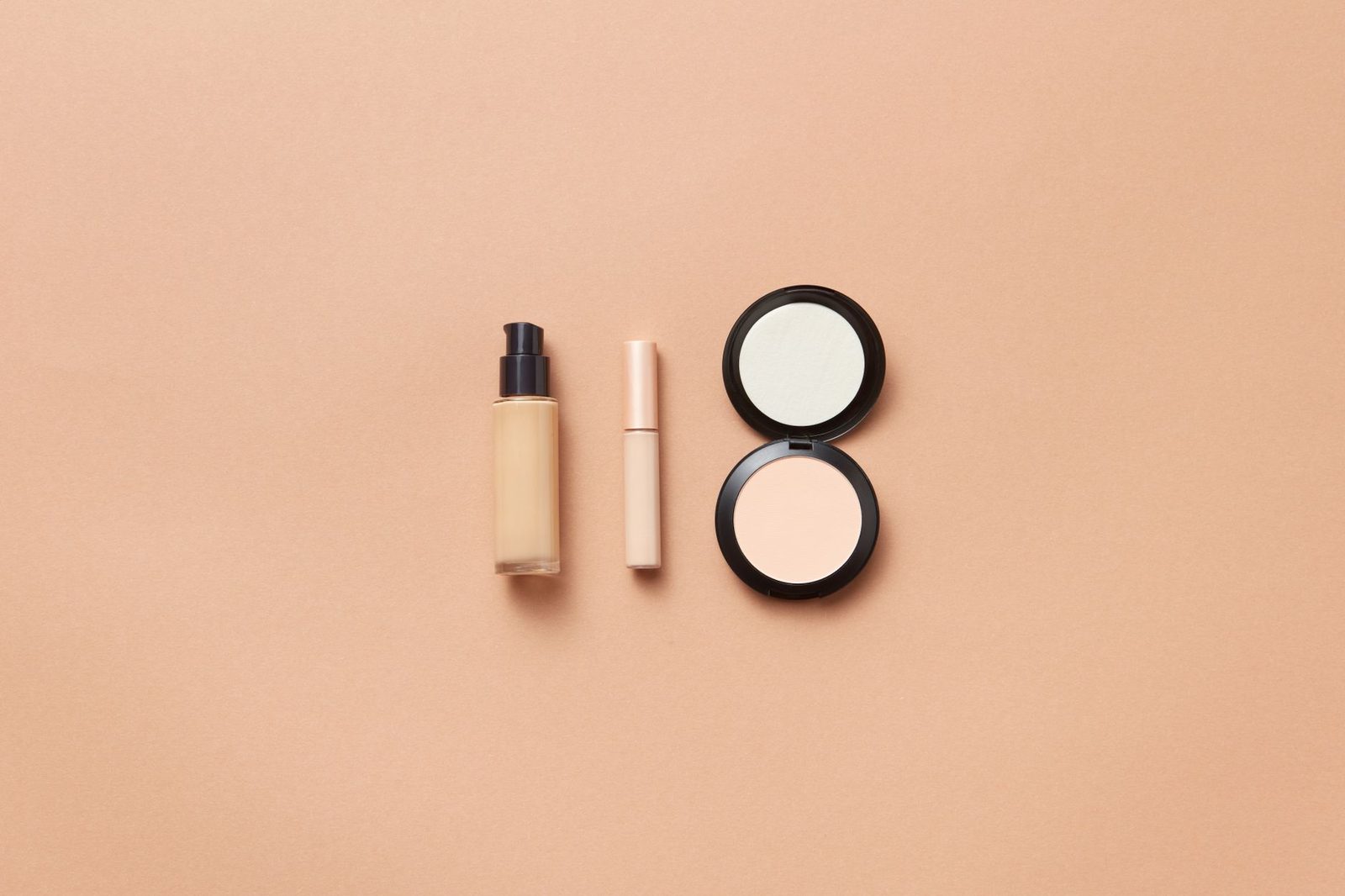
Think of makeup coverage as a dial, not a switch. You can turn it up or down. Sheer coverage is the lightest setting. It evens out tone a little but lets your real skin peek through. Medium coverage covers more redness and spots, but still looks like skin. Full coverage covers almost everything, including scars, dark patches, and stubborn discoloration.
Here's a simple way to sort the three levels:
- Sheer coverage gives a light veil of color and lets freckles or texture show.
- Medium coverage hides mild redness, blotches, and uneven tone while looking natural.
- Full coverage blocks out scars, dark spots, and strong discoloration for a smooth, uniform look.
It helps to separate two ideas: texture and treatment. Texture is how a product feels and looks on skin. Some formulas are thin and watery. Others are thick and creamy. Treatment is what the product claims to do for your skin over time, like reducing oil or adding hydration (that means adding moisture). A product can have a thick texture but still offer light coverage. Or a thin, watery formula can build up to full coverage. Don't assume texture tells you the coverage level. Always check the label or swatch it first.
Your choice of makeup coverage should match your skin's needs on any given day. Skin can change. Some days you may have more redness. Other days, your skin might look calm and even. It's fine to switch coverage levels as needed. There is no single "correct" level. The goal is a look that feels comfortable and matches your day.
Weather and skin type matter too. Oily skin may need a formula built to control shine. Dry skin often looks better with a hydrating formula, since heavy powders can settle into dry patches and look flaky. Combination skin, which is oily in some areas and dry in others, may need different products for different zones. None of these are strict rules. They're starting points to help you test what works for you.
Full Coverage Foundation: How to Apply and Best Products for Maximum Durability
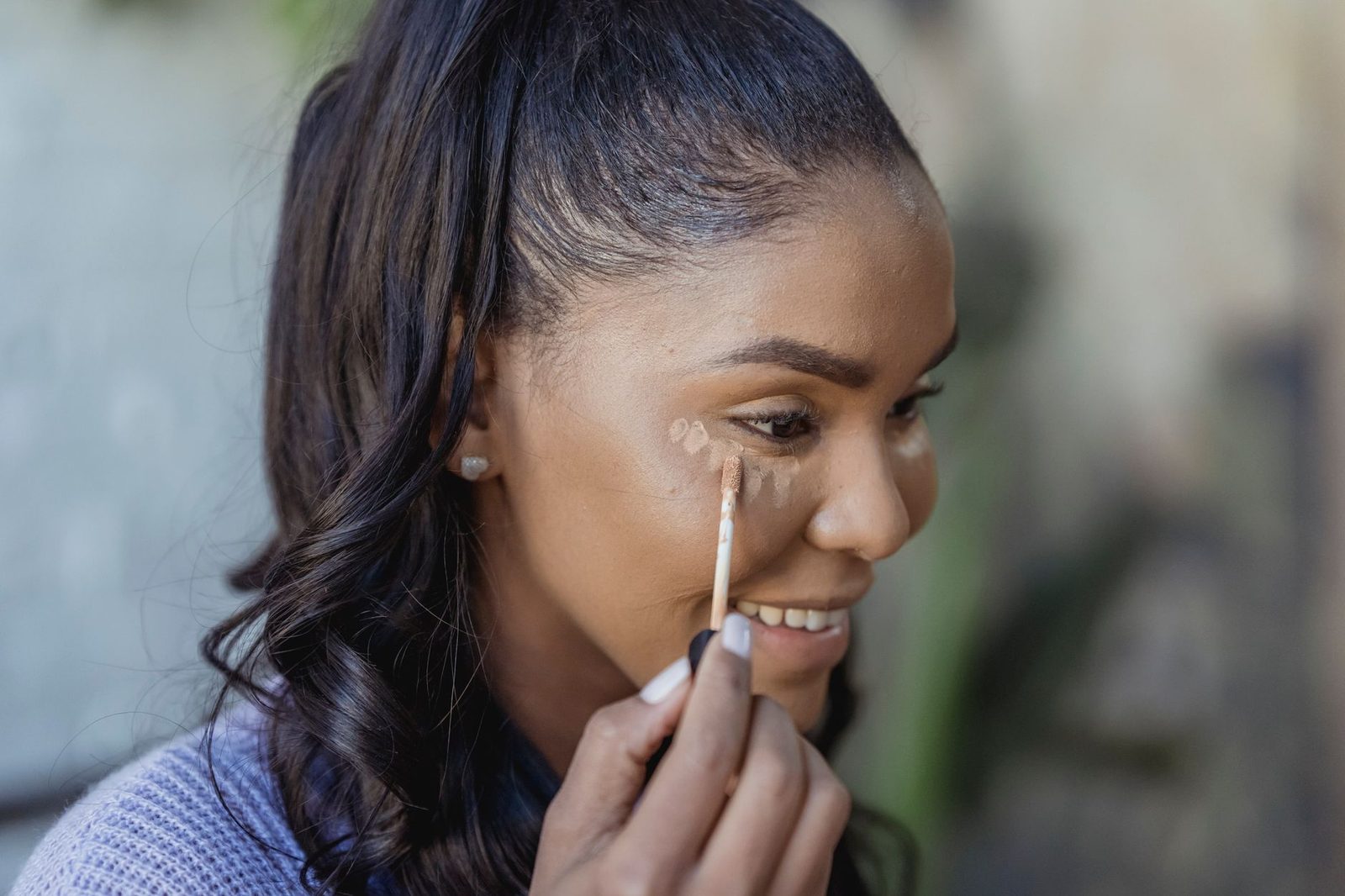
Full coverage foundation is built for moments when you want your skin to look as smooth and even as possible. This level of makeup coverage works well for special events, photos, or days when scars, dark spots, or redness feel more noticeable than usual. It's not meant for daily wear if you prefer a lighter look, but there's no harm in wearing it often if that's your preference.
How to Apply Full Coverage Foundation
Good application starts before the foundation ever touches your face. Follow these steps:
- Start with clean, moisturized skin so the foundation has a smooth base to sit on.
- Apply a primer suited to your skin type to help the foundation last longer and blend evenly.
- Use a damp makeup sponge or a dense brush to press the product into skin, rather than dragging it across.
- Build up thin layers instead of applying one thick layer, since thin layers blend more naturally and avoid a cakey look.
- Focus extra product only on areas that need it, like scars or dark spots, instead of coating your whole face heavily.
- Set the foundation with a light dusting of translucent powder to help it last through the day.
Full coverage formulas tend to be more pigmented and often contain more waxes or film-forming ingredients. These ingredients help the product grip to skin and resist rubbing off. That's why full coverage foundation often lasts longer through long days or warm weather. If you have very dry skin, look for full coverage formulas labeled as hydrating or dewy, since these tend to sit better without emphasizing dry patches.
People with active acne or textured skin sometimes worry that full coverage will look thick or draw attention to bumps. In most cases, the opposite is true when it's applied in thin, buildable layers. The key is patience. Rushing the process, or piling on too much at once, is what causes a heavy or mask-like finish. Take your time, and let each layer settle before deciding if you need more.
Full coverage is a tool, not a requirement. If your skin looks fine with less, there's no need to reach for the heaviest formula in your bag. Coverage is about choice, not obligation.
Medium Coverage Makeup: Achieving Natural-Looking Skin with Buildable Products
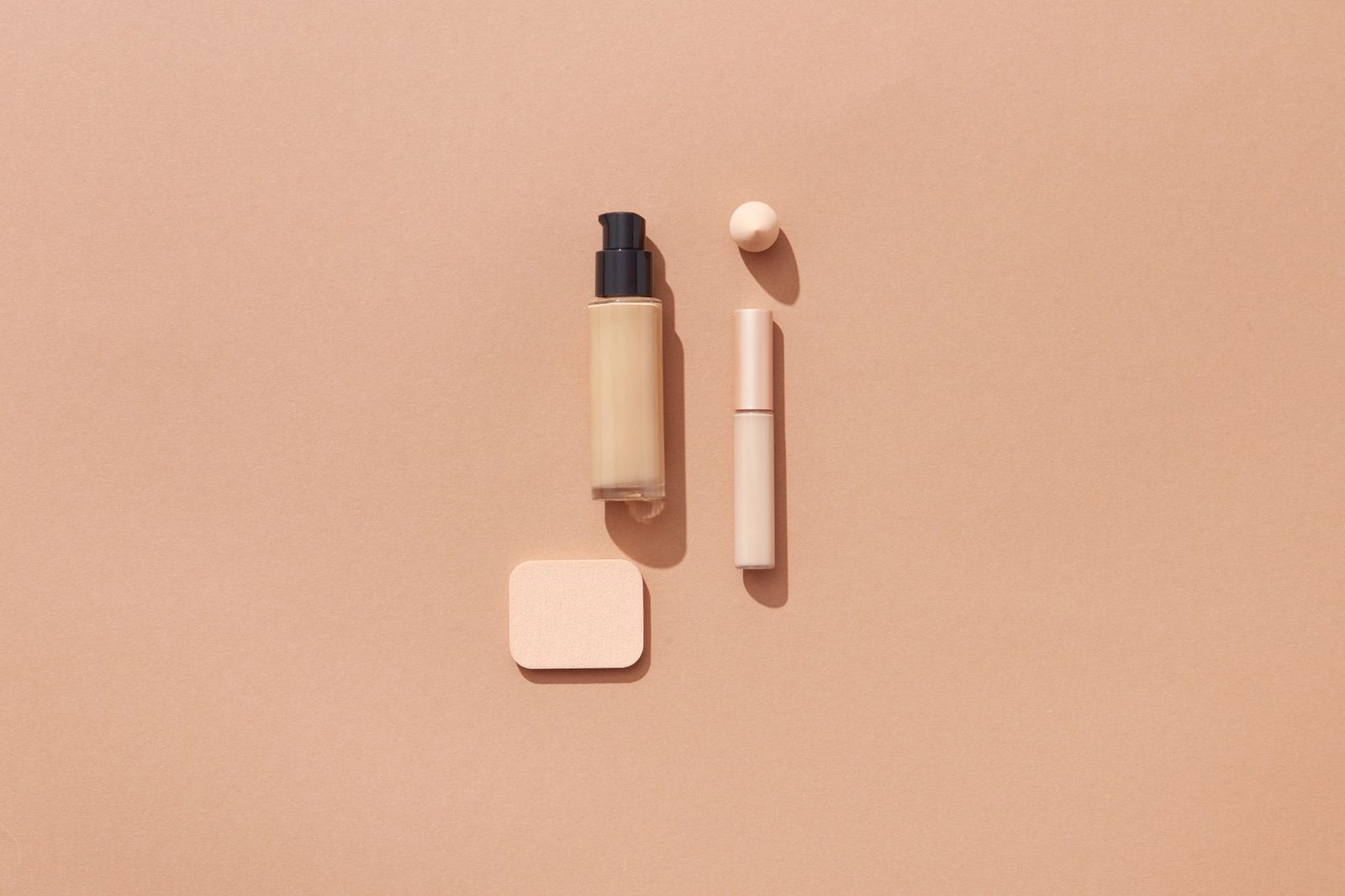
Medium coverage makeup is the most popular choice for daily wear. It smooths tone, softens redness, and blurs small imperfections, all while still looking like skin. This is often the sweet spot for people who want to look polished without appearing "made up."
The word "buildable" comes up a lot with medium coverage products. It means you can layer the product to increase coverage in specific spots, without changing the finish everywhere else. For example, if you have a small area of redness near your nose, you can add a second thin layer there while leaving the rest of your face with a single, lighter layer.
Tips for Applying Medium Coverage Products
- Apply with fingertips for a sheer, skin-like finish, since fingers warm the product and help it blend.
- Use a brush for slightly more even coverage across larger areas like the cheeks and forehead.
- Blend outward from the center of your face toward your hairline, so coverage looks lightest at the edges.
- Add a small amount of concealer only where you need more coverage, rather than adding more foundation everywhere.
Medium coverage formulas often include lighter amounts of pigment and fewer heavy waxes than full coverage products. This gives them a more breathable, natural feel. If you have oily skin, look for medium coverage formulas labeled matte or oil-control. If your skin is dry, choose formulas described as hydrating or luminous, since these often contain more emollients (ingredients that soften and smooth skin).
Many tinted moisturizers and BB creams (a light, all-in-one product that combines some skincare benefits with light coverage) fall into this medium coverage category as well. These can be a gentle entry point if you're new to wearing makeup coverage regularly, since they tend to feel light and low-maintenance.
One common misconception is that medium coverage can't handle visible skin concerns. That's not quite true. With the right building technique, medium coverage can manage mild acne marks, some redness, and general unevenness. It simply won't fully hide deep, stubborn discoloration the way full coverage can. If your main concern is texture rather than tone, medium coverage paired with a smoothing primer often does the job well.
Concealer Coverage Guide: Targeting Blemishes, Dark Circles, and Redness
Concealer is a targeted tool. Unlike foundation, which covers your whole face, concealer focuses on specific spots. Think of it as a spot treatment for coverage, not a full-face product. Choosing the right concealer coverage depends heavily on what you're trying to address.
Concealer for Blemishes
For active blemishes or acne marks, a thicker, higher-coverage concealer usually works best. Apply it with a small brush directly onto the spot. Pat gently rather than rubbing, since rubbing can move product away from the area and irritate the skin. Let it set for a moment before blending the edges only, so the concealer stays concentrated where it's needed.
Concealer for Dark Circles
Dark circles under the eyes often have a blue or purple tint. A concealer with a slightly peach or salmon undertone can help neutralize that color before you add your regular shade on top. Choose a formula with a creamy, hydrating texture, since the under-eye skin is thin and dry formulas can settle into fine lines, making them more visible rather than less.
Apply concealer in a small triangle shape under the eye, rather than just a single dot. This shape brightens a wider area and helps light reflect more evenly. Blend gently with a sponge or your ring finger, since that finger applies the lightest pressure.
Concealer for Redness
Redness, whether from irritation, rosacea (a common skin condition causing facial redness and visible blood vessels), or general sensitivity, often responds well to a green-tinted color corrector applied before regular concealer. Green sits opposite red on the color wheel, so it helps cancel out the red tone. A thin layer is usually enough. Follow it with a light layer of your normal concealer or foundation shade.
Regardless of the concern, remember that concealer coverage should always be built in thin layers. Piling on too much at once often creates a cakey or creased look, especially under the eyes or around the nose. If you need more coverage, add a second thin layer rather than one heavy one. This keeps the finish natural, even when the coverage level is high.
If you have ongoing concerns about persistent redness, breakouts, or skin changes that concealer alone doesn't address, it's worth speaking with a dermatologist. Groups like the American Academy of Dermatology offer general guidance on common skin concerns and when a professional opinion may help.
Choosing the Right Makeup Coverage for Your Skin and Occasion
With so many makeup coverage options, choosing the right one comes down to a few practical questions. What does your skin need today? What's the occasion? How much time do you have to apply it?
Practical Steps for Choosing Coverage
- Consider your skin type first, since oily, dry, and combination skin all respond differently to various formulas.
- Think about your main concern, whether that's redness, dark spots, acne marks, or simply uneven tone.
- Match coverage to the occasion, since a casual day may call for sheer or medium coverage, while photos or events may call for fuller coverage.
- Test new products on a small area first, especially if you have sensitive skin or known allergies.
- Keep a lighter and heavier coverage option on hand, so you can adjust based on how your skin looks each day.
Primer plays a supporting role in nearly every coverage choice. A good primer smooths the surface of your skin, which helps foundation and concealer glide on more evenly. Some primers also help control oil, while others add hydration. Choosing a primer suited to your skin type can make any coverage level look better and last longer.
It's worth remembering that makeup coverage is about choice, not obligation. There's no single right answer for everyone. Some people prefer sheer, low-maintenance routines. Others enjoy building a fuller look for special occasions. Both approaches are valid.
Ingredient labels can help guide smart choices, especially for those with sensitive skin. The U.S. Food and Drug Administration's cosmetics resources offer general information on how cosmetic products are labeled and regulated, which can be a useful reference when comparing formulas.
Finally, don't be afraid to mix products from different coverage categories. Many people use a medium coverage foundation with a bit of full coverage concealer on specific spots. This combination approach often gives the most natural, tailored result, since it lets you customize coverage area by area rather than committing to one level across your entire face.
Key Takeaways
Makeup coverage isn't about finding one perfect formula. It's about understanding the range, from sheer to full, and knowing how to use each level well. Full coverage works best for special occasions or deeper discoloration. Medium coverage suits daily wear and general unevenness. Concealer targets specific spots like blemishes, dark circles, and redness.
What this means for you: build coverage in thin layers, match products to your skin type, and adjust based on how your skin looks each day. There's no need to commit to one coverage level forever. Your routine can shift, and that's perfectly normal.
For more context, read Complete Guide to Building a Sustainable Wellness Routine.
For more context, read How do IUDs actually work?.
For more context, read How creatine works, and where the evidence stops.
For more context, read What the Evidence Says About Training to Failure.
For more context, read Does the post-workout anabolic window actually exist?.
For more context, read comic artwork quality.
For more context, read How to Identify Anime Genres and Subgenres.