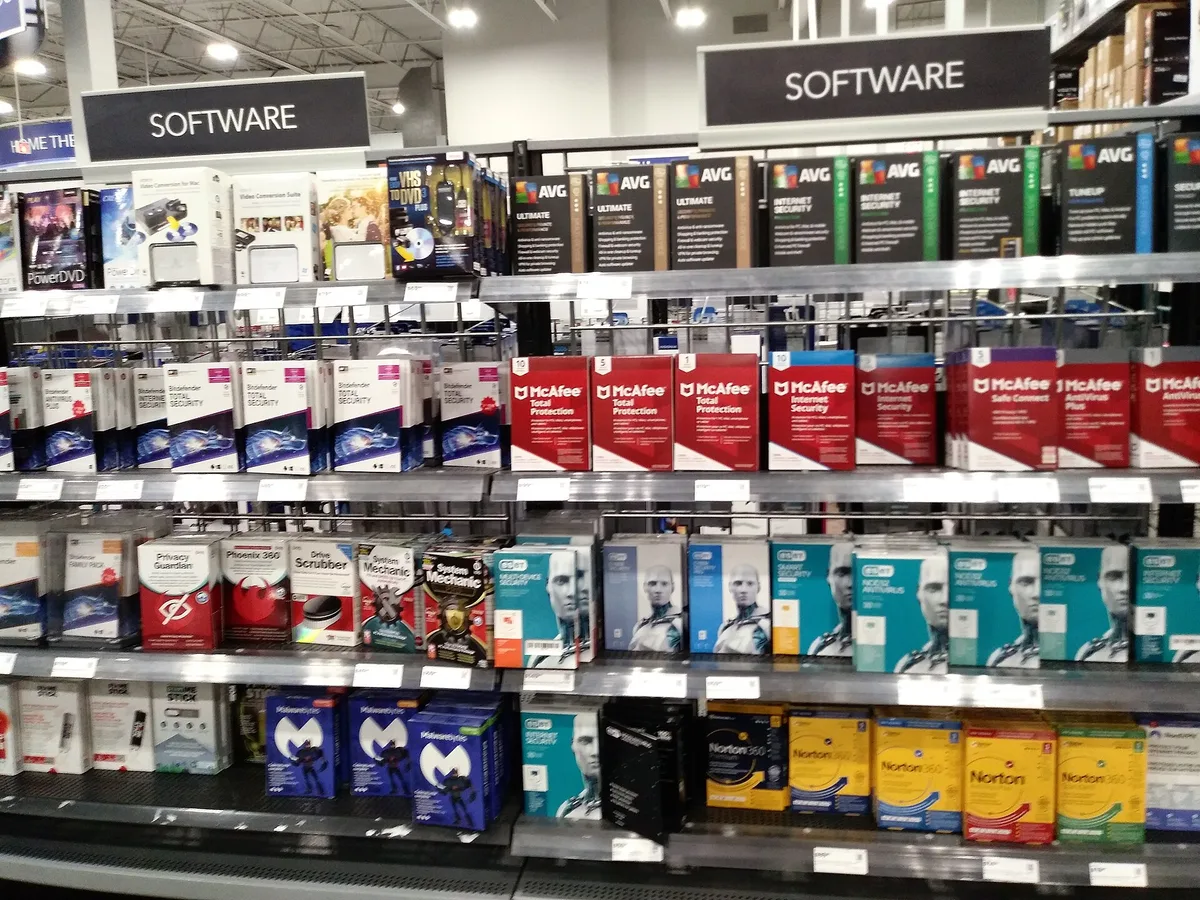

Start with CISA’s alert feed. Add the vendor bulletin for your operating system. Round out that mix with one or two cybersecurity newsletters that link their claims. CISA’s Known Exploited Vulnerabilities catalog alone listed 1,748 entries as of October 2026, so keeping up with every bulletin is impossible by design.
This guide sets that system up in under an hour. The order matters. Official feeds carry the material you must act on, and newsletters add context on top. When the week gets loud, the triage rules below keep the pile manageable.
Start with the two CISA feeds
The Known Exploited Vulnerabilities catalog comes first. CISA maintains it as the authoritative source of vulnerabilities that have been exploited in the wild, and the agency tells organizations to use it for prioritization. Every entry names a CVE number and a vendor, and the catalog sorts by due date. The page also offers an email subscription, so new entries arrive on their own. If a product you run shows up there, patch it that day.
Pair the catalog with the alerts and advisories page. CISA defines an alert as succinct information on recent or high-impact threats, plus mitigations and detections. Advisories go deeper, with attacker tradecraft and indicators of compromise. October 2026 brought alerts on BeyondTrust Remote Support and on a newly exploited Ivanti Connect Secure flaw, both urging fast patching. If CISA names a product in your stack, that item jumps to the top of the list.
Add the bulletin for your own stack
Vendor bulletins come next. Microsoft publishes its monthly Windows security update on the second Tuesday of each month, a release widely known as Patch Tuesday. Set a calendar reminder for that afternoon and read only the items that touch systems you manage. Apple and Google publish equivalent security pages for their devices. A bulletin beats any secondhand summary because it states exactly what is fixed and which versions are affected. Readers following this should also see Microsoft's January 2026 Patch Tuesday lands; New York cyber officials urge immediate updates.
Find each bulletin once and bookmark it. Microsoft documents the whole cadence on its update release cycle page, down to the 10:00 AM Pacific publish time. Keep the list short. One page per operating system, one more per router or firewall if you manage those. Anything more recreates the flood this setup exists to stop.
Choose cybersecurity newsletters that show their work
A newsletter earns its place by showing the trail. Before you subscribe, check that every claim links to the primary advisory or vendor bulletin. Check that exploitation status is stated plainly, either actively exploited or no known exploitation confirmed. A good item also separates a vendor-confirmed fix from a community workaround. Digests that hide the trail cost time and return little. Apply the test for a month, keep the ones that pass, and drop the rest. When a big story breaks, the primary link tells you within seconds whether it touches your systems. No primary link means no story. The habit sounds strict. It saves hours within the first month. We covered a connected angle in CISA adds five actively exploited vulnerabilities to its KEV catalog in March.
What to do right now
- Open the KEV catalog page and subscribe to its update list. Expected result: a confirmation email from CISA and new entries in your inbox.
- Bookmark the alerts and advisories page and check it once a week. Expected result: you see major advisories the day CISA posts them.
- Locate the security bulletin page for your operating system and note its release day. Expected result: you know when Patch Tuesday lands and can plan the patch window.
- Test one newsletter against the checks above for a month. Expected result: one keeper on the list, not a dozen open tabs.
Conclusion: a smaller, steadier feed
Security news feels endless because it arrives unfiltered. Two official feeds and one honest newsletter do the filtering for you. Set the schedule once, read in one block, and act on what touches your systems. The rest of the noise was never aimed at you.