
Cybersecurity Awareness Month arrives every October, and it asks a modest thing: build a few habits that hold up all year. The campaign launched in 2004, created by the National Cyber Security Alliance (NCSA) and the US Department of Homeland Security (DHS), and it has since spread globally as cyber-risk awareness grows. In Europe, the European Union Agency for Cybersecurity (ENISA) coordinates events alongside national bodies, with attention to digital skills, education, and emerging technologies.
The durable core of the campaign is four habits, laid out in guidance from Panda Security: strong passwords, multi-factor authentication with data protection, phishing awareness, and software updates. None of these depend on this year's threat headlines. They work because most attacks still target ordinary behavior — reused passwords, unpatched software, a rushed click.
That framing matters beyond home users. Reporting by CSO Online describes security leaders who now treat plans as living documents, reassessed quarterly rather than annually, because new tools and integrations spread faster than fixed roadmaps can track. The lesson filters down cleanly: individuals cannot wait for an annual review either. Habits beat schedules.
Privacy and security overlap here, because several of these habits are also about limiting what strangers can learn about you.
Why does the campaign still exist after two decades?
Because the threat model keeps shifting while the defenses stay constant. Panda Security's guidance frames cybersecurity as a shared responsibility across organizations and society, not a job for IT professionals alone. As threats and state-sponsored cyber-espionage grow more complex, the campaign argues, international collaboration and basic individual action both matter. The smallest proactive steps, it notes, can prevent massive breaches.
Habit one: treat passwords as a first line, not a last resort
Passwords remain the first line of defense in the digital world, per Panda Security. Yet predictable credentials and reuse across platforms are still among the most common entry points for cybercriminals. The guidance breaks into three practices:
- Change default passwords immediately. Never keep factory settings on routers, smart devices, or newly created accounts.
- Avoid credential reuse. Use unique, complex combinations for each platform so one breach does not compromise your entire digital footprint.
- Be selective with personal details. Limit what you share on social media. Attackers harvest public information — pet names, birth dates, location check-ins — to guess access codes and security answers.
That last point is where password hygiene meets auditing your app permissions: both are exercises in shrinking the surface a stranger can work with.
Habit two: add a second factor and protect the data itself
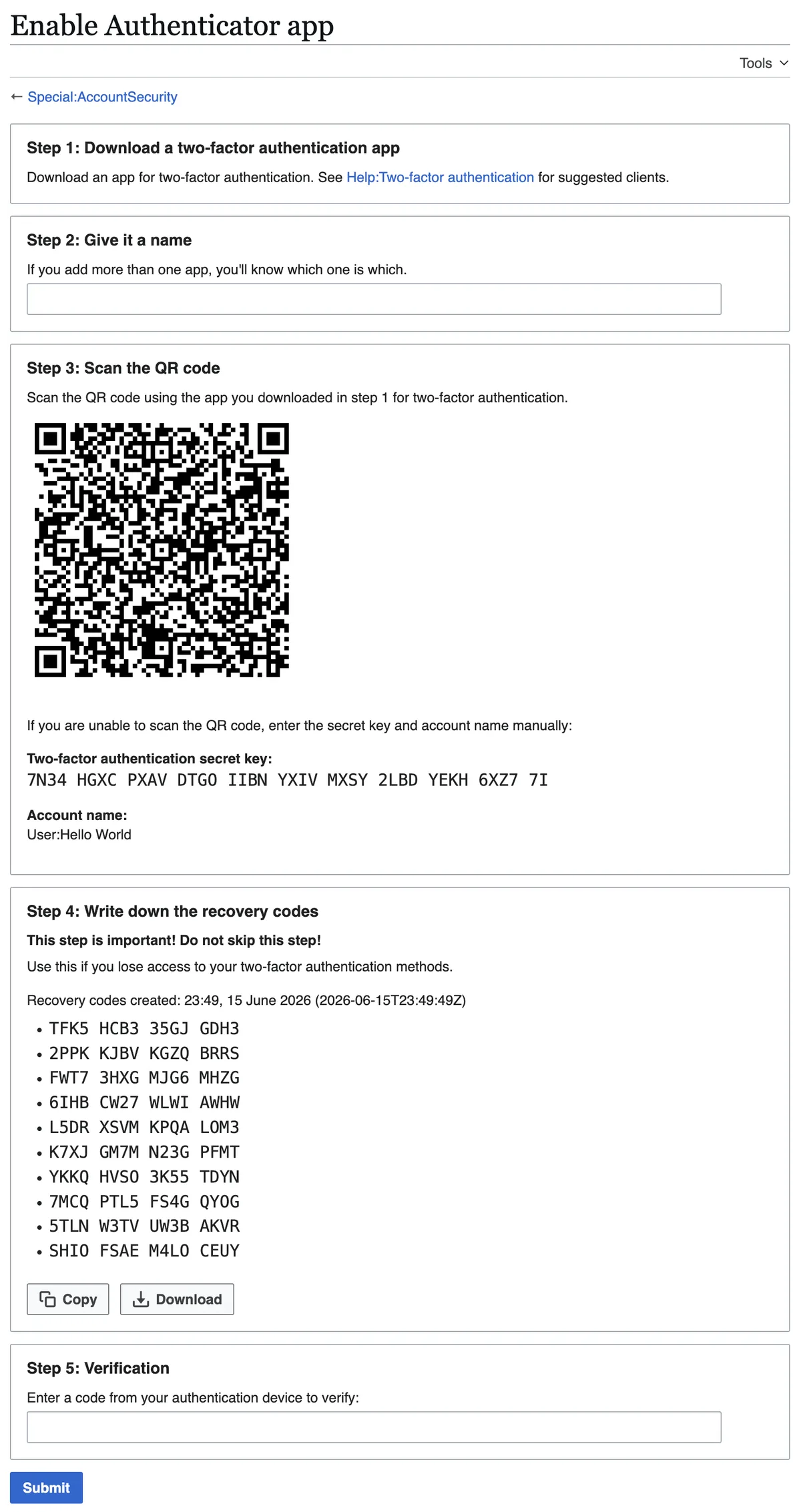
Even strong passwords get exposed. Multi-factor authentication (MFA) adds an extra verification step so unauthorized users cannot reach your accounts even with your credentials in hand. Panda Security calls activating MFA across all supported services a quick and highly effective barrier against automated login attempts. For a walkthrough, see our guide on how to turn on two-factor authentication for the accounts that matter most. We covered a connected angle in How to turn on two-factor authentication for the accounts that matter most.
Two companion practices sit alongside it:
- Encrypt and back up critical data. Regular backups on external drives or secure cloud storage remain, per the guidance, the most reliable way to recover files without giving in to ransomware extortion.
- Secure connections on public Wi-Fi. Use a virtual private network (VPN) — an encrypted tunnel for your traffic — when browsing on the go. Our explainer on what a VPN actually protects covers where that protection ends.
Habit three: assume the message is the attack
Social engineering targets human error rather than system flaws, which is why Panda Security urges a cautious browsing mindset. Three checks do most of the work:
- Confirm a website address begins with the secure https:// protocol, not plain http://, before entering credentials or payment details.
- Review emails, SMS, and direct messages carefully. Avoid unexpected links or suspicious attachments from unverified senders.
- Skip pirated or cracked software. The guidance is blunt: illegal downloads almost always carry malware, spyware, or keyloggers.
The pattern behind all three is verification before trust. The channel — email, text, direct message — matters less than whether you expected the contact and checked where it leads. Readers following this should also see Email aliasing explained: give every service its own address.
Habit four: patch before you are scanned
Cybercriminals constantly scan the web for known vulnerabilities in outdated software, according to Panda Security. Leaving operating systems or applications unpatched creates exposure to automated threats and zero-day exploits — flaws with no available fix. The maintenance routine is short:
- Automate system and software updates for the operating system, web browsers, and core applications.
- Keep firewall rules active to block unauthorized inbound network traffic.
- Review and raise default security and privacy settings on every new platform, app, and connected device you adopt.
What the enterprise picture adds
The CSO Online reporting shows the same logic at organizational scale. Insight Global's John Dickson built visibility into AI agents and service accounts ahead of schedule when adoption outpaced his roadmap, then moved his team to a quarterly reassessment. "An annual review means you're making decisions on assumptions that may be a year old," he told CSO Online. Gartner's 2026 Leadership Perspective Survey of more than 1,000 CISOs defines agility as the ability to rapidly reprioritize roadmaps and investments as business risks shift.
Not everything moves fast, though. KPMG's 2026 Cybersecurity and Technology Risk Survey of 310 security leaders at companies with more than $1 billion in revenue found many still build multi-year plans for threats such as quantum computing, even while expecting AI-powered attacks to become the leading cyber threat over the next two to three years. Long-horizon thinking and short-horizon habits coexist.
What to take from this October
Cybersecurity Awareness Month is a prompt, not a program. The evidence above establishes what the four habits are and why both a consumer security vendor and enterprise security leaders converge on the same shape: reduce reuse, add verification, verify messages, and patch continuously. What the sources do not establish is any ranking among the four, or a success rate for any of them — treat that as unknown. The Internet is a shared resource, as Panda Security puts it, and keeping it secure requires action from everyone. Start with the habit you have not done yet.