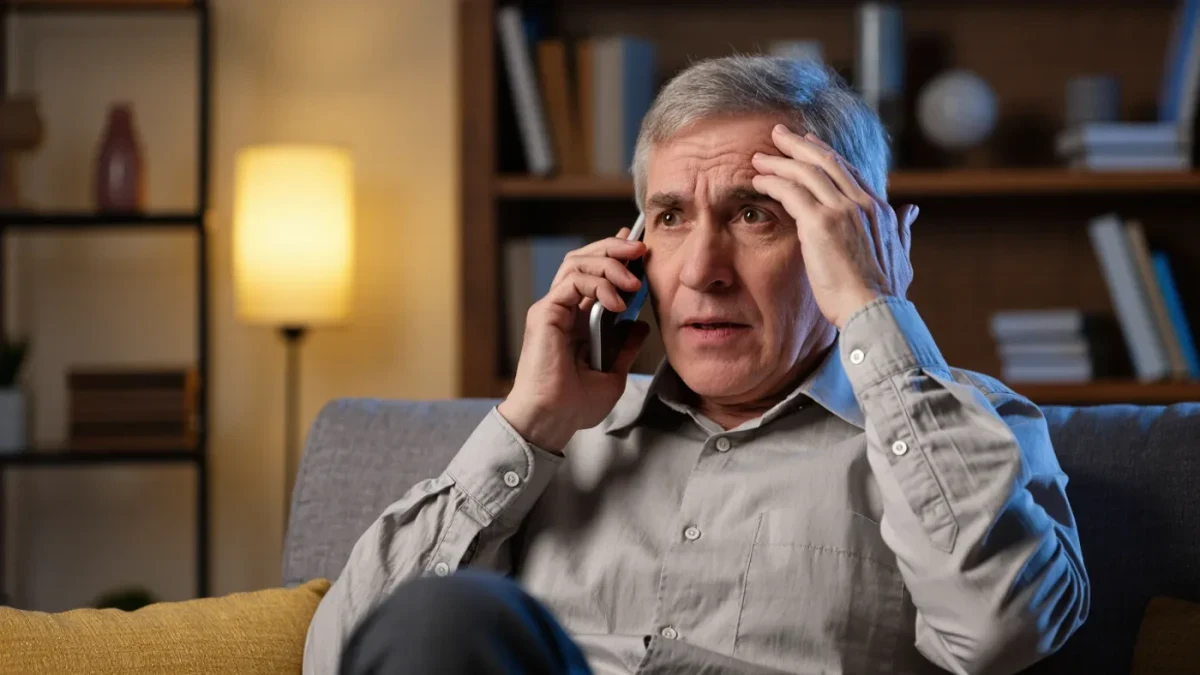
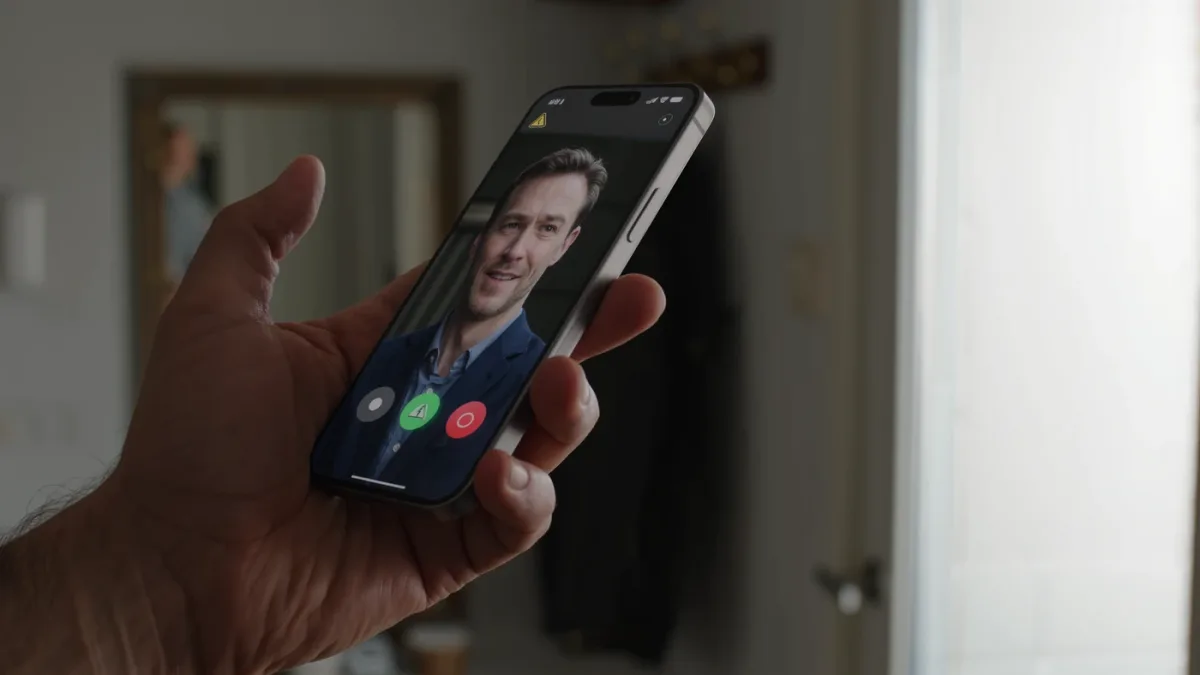
AI-generated voices in robocalls are now explicitly illegal in the United States: the Federal Communications Commission ruled in February 2024 that telephone scams using AI voice cloning fall under the Telephone Consumer Protection Act's ban on artificial voices, giving regulators and state attorneys general direct enforcement power. That ruling followed the January 2024 fake-Biden robocall that used a cloned presidential voice ahead of the New Hampshire primary — the incident that moved AI robocalls from novelty to enforcement priority. Combined with STIR/SHAKEN caller-ID authentication and carrier blocking, the rules have teeth; the practical defense for households remains a layered call-blocking setup and a habit of distrusting any caller who arrives with urgency.
What changed with the FCC ruling?
Before February 2024, the TCPA's 1991 ban on "artificial or prerecorded voices" was written a generation before voice cloning, and its application to synthetic voices was arguable. The FCC's declaratory ruling closed the gap: AI-generated voices are artificial voices under the TCPA, making scam robocalls using them actionable without further rulemaking — per the Commission's announcement at the time, up to roughly $23,000 per call in penalties, plus state enforcement. The New Hampshire case demonstrated the pipeline end to end: a political consultant's cloned-Biden robocall drew a federal investigation, an FCC proposed fine, and a state-level conviction. Separately, the FCC moved to force originating providers to police robocall traffic on their networks or face blocking themselves.
What about political calls and spam texts?
Political speech sits in a murkier zone than fraud: the TCPA consent rules still apply to autodialed and prerecorded calls to mobile phones, and disclosure rules cover campaign messaging, but enforcement around political AI content has run through state election laws and platform policies as much as telecom rules. Spam texts have their own trajectory — robotext volume surged as voice blocking improved, and the FCC has proposed closing loopholes there too. The direction across both channels is identical: labeling, authentication, and provider accountability, tightening year by year.
What works for households now?
- Use your carrier's free blocking and labeling. All major U.S. carriers flag likely spam on the incoming screen by default; confirm the feature is on, and consider the paid tiers only if spam survives the free layer.
- Let unknown callers go to voicemail. The single most effective habit: legitimate callers leave messages; robocall economics collapse when nobody answers live. Return calls by looking up numbers yourself, never by redialing the inbound.
- Enable third-party blocking apps where the platform allows (built-in spam filters on iPhone and Android draw on crowd-sourced databases), and report spam calls through the app — reporting trains the database everyone shares.
- Register on the Do-Not-Call list (donotcall.gov) — it does not stop scammers, but it gives legitimate telemarketers a bright line and regulators a violation count.
- Trust nothing urgent by phone. Banks, the IRS, Medicare, and family emergencies all survive a hang-up and a call back through a number you look up. The AI voice era makes this rule permanent.
What is still coming?
Policy tracks to watch through 2026: FCC proceedings on robotexts and on forcing carriers to block non-compliant traffic upstream; state laws targeting deceptive AI in elections and commercial calls; and the slow spread of caller-authenticated display, where a signed call shows a verified business identity — an anti-spoofing push the major carriers have been rolling out under FCC pressure. None of it rescues a household that answers everything; all of it shrinks the pool of answered scams. The realistic end state is a persistent arms race — cloning keeps improving, blocking keeps labeling, and the human pause between ring and answer stays the decisive layer.