
Semiconductors sit inside nearly every product that runs on electricity, and disruptions in the semiconductor supply chain reach from cars to hospital equipment. The stakes now show in the sales ledger. Global chip sales passed $1 trillion through August 2026 for the first time, per SIA data released on October 5, 2026.
This piece explains how that chain works, why shortages spread so fast, and where the money is flowing now. The chain runs from design firms to fabrication plants to assembly lines across several continents. Each stage takes years to build or expand, so supply always trails demand by a wide margin. We covered a connected angle in Who pays for the open source everything runs on?.
How the chain is built
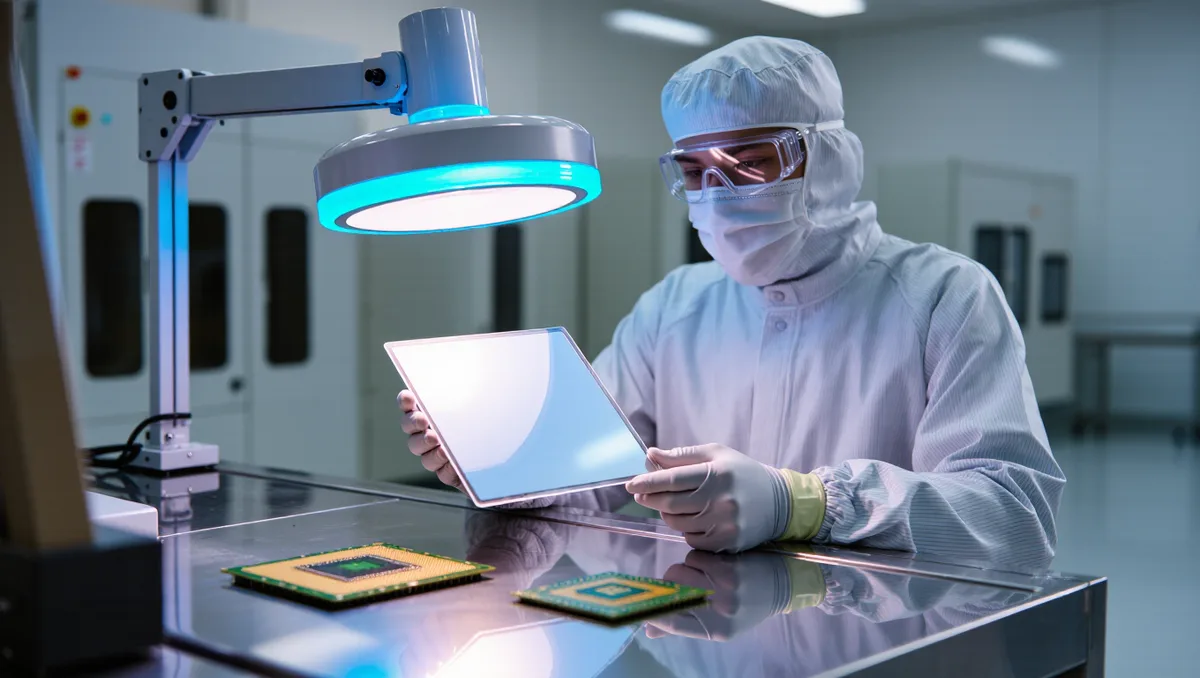
A chip passes through several stages before it reaches a product. Design firms draw the circuits, and fabs print them onto silicon wafers inside cleanrooms. Assembly and test plants then cut, package, and check the finished chips. Each stage needs its own buildings, its own machines, and its own trained crews. For related coverage, see Revolut confirms customer data breach through fake government requests.
That structure explains the chain’s main weakness. No stage scales up quickly, and a problem at one stage blocks every stage after it. The chain works like a relay, and a dropped baton costs the whole race.
How a shortage starts and spreads
Chip supply responds slowly to demand swings. A fab takes years to site, permit, and equip, so output cannot jump in a quarter. When buyers cut orders in a downturn, fabs slow their lines. When demand returns, the queue rebuilds with the same delay. The gap between order and delivery is where shortages live.
The pain then moves downstream. A missing low-cost part can idle an expensive machine, so automakers and equipment makers watch the chain closer than the weather. That asymmetry is why a squeeze in one component category can stop entire assembly lines.
Demand at record scale
The numbers now set records almost every month. Global chip sales passed $1 trillion through August 2026, and SIA projects more than $1.6 trillion for the full year in its October 5 release. August alone brought $159.7 billion in sales, up 144.3 percent from August 2025.
Artificial intelligence drives much of the surge. SIA’s 2026 industry report counts more than 4,500 packaged chips in a single AI server rack, which account for 95 percent of its value in the report summary. A hyperscale data center houses thousands of servers, so a build-out multiplies chip orders fast.
Why every product feels a chip problem
The dependence starts with reach. Chips power communications, transportation, consumer electronics, and industrial gear, along with the AI systems drawing headlines. When chip supply tightens, the delay surfaces everywhere at once, from new cars waiting for parts to appliances stuck in warehouses.
Density adds another layer. SIA notes that the transistors in modern chips are so small that thousands fit across the width of a human hair. Each design generation therefore needs new equipment and new plants, which keeps the capital bill climbing and the lead times long.
Where government money enters
The United States answered with subsidies. The CHIPS for America program runs two main funds: $11 billion for research and development, and $39 billion in incentives that pull chip plants and equipment onto U.S. soil, per NIST on its program page.
Incentives act slowly by design. Awards become permits, permits become construction, and construction becomes operating fabs over years. The subsidy wave of the 2020s shapes the chain gradually, which leaves the old shortage logic in place for now.
Conclusion: the bottom line
The chip shortage story comes down to simple arithmetic. Chips sit in every product, demand just passed $1 trillion through August 2026, and new capacity takes years to arrive. Design firms, fabs, and buyers all plan around that delay. A reader who watches the chain watches the modern economy’s heartbeat, because every product line still waits on the wafer.