Privacy window film is a thin adhesive or static-cling sheet applied to glass. It blocks or blurs sightlines from outside without replacing the window. Most homes use it on street-facing ground floors, bathrooms, and sidelights beside front doors.
There are three main types: frosted film that blurs shapes, mirrored film that reflects daylight outward, and decorative film that adds texture or pattern. Each trades privacy against light differently, and the right choice depends on which direction you need the protection to run — inward, outward, or both.
Physical privacy at home is one part of a wider picture. As Privacy International notes in its explainer on the subject, privacy lets people "establish boundaries to limit who has access to our bodies, places and things, as well as our communications and our information." Film covers the places-and-things boundary; for the information side, see our guide to what actually follows you around the web.
What are the main types of privacy window film?
Frosted film is the default for bathrooms and entry doors. It turns clear glass translucent, so light passes through but silhouettes become hard to read. Quality frosted film blurs shapes at close range; cheap film may only soften them, so check the stated privacy distance before buying.
Mirrored film, sometimes called one-way or reflective film, works like sunglasses. During the day, the brighter side sees a mirror and the darker side sees through. That means it protects you when it is brighter outside — daytime, in practice — and reverses at night when your interior lights are on. If you keep lights on after dark, mirrored film alone will not hold the line. For related coverage, see How to remove your profile from people-search sites, one broker at a time.
Decorative film uses texture, etched patterns, or color to break up the view. Stained-glass and rice-paper styles are common. Privacy depends on the pattern density: a heavily etched sheet blocks more than a sparse one. Some decorative sheets are purely ornamental and offer little screening, so read the product's privacy rating rather than assuming.
A fourth category worth knowing: combined films that add tint or insulation alongside privacy. These reduce heat and glare as well as sightlines, but they darken the room more than frosted film does. We covered a connected angle in Privacy screens for phones and laptops: do they actually work?.
Which type fits which room?
Match the film to the sightline problem, not to the room label.
- Bathrooms and toilets: frosted, always. Mirrored film fails at night, exactly when bathroom privacy matters most.
- Street-facing living rooms: mirrored film if you are out all day; frosted on the lower half of the window if you are home evenings.
- Front-door sidelights: frosted or a dense decorative pattern. Anyone at the door stands close, so the film must block detail at very short range.
- Rentals and temporary needs: static-cling film. It holds by surface tension, leaves no residue, and comes off in one pull.
One caution on mirrored film: it reflects light toward your neighbors as well as away from them. On a west-facing window, afternoon glare can land in someone else's living room. Check the reflection direction before committing to a whole facade.
What does privacy window film cost?
Prices vary by width, thickness, and coating, so we will not quote figures the evidence does not support. The cost structure, however, is consistent across retailers: decorative and basic frosted film is the cheapest tier, mirrored and combined heat-control film sits above it, and professionally installed film costs several times the material price once labor is added.
Three cost factors matter more than brand names:
- Window count and size. Film is sold by the roll or by the linear meter. Measure each pane's width and height, then add ten percent for trim waste and mistakes.
- Removal and reapplication. Adhesive film lasts years but is harder to remove; static cling costs a little more per sheet and can be repositioned. If you rent, cling usually wins.
- DIY versus installer. A steady hand and a squeegee handle a flat ground-floor pane. Large panes, upper floors, and textured glass are where professional installation earns its price.
Get quotes from at least two installers if you go that route, and ask what the warranty covers — peeling, bubbling, and adhesive failure are the usual failure modes, and coverage terms differ.
How do you install privacy window film?
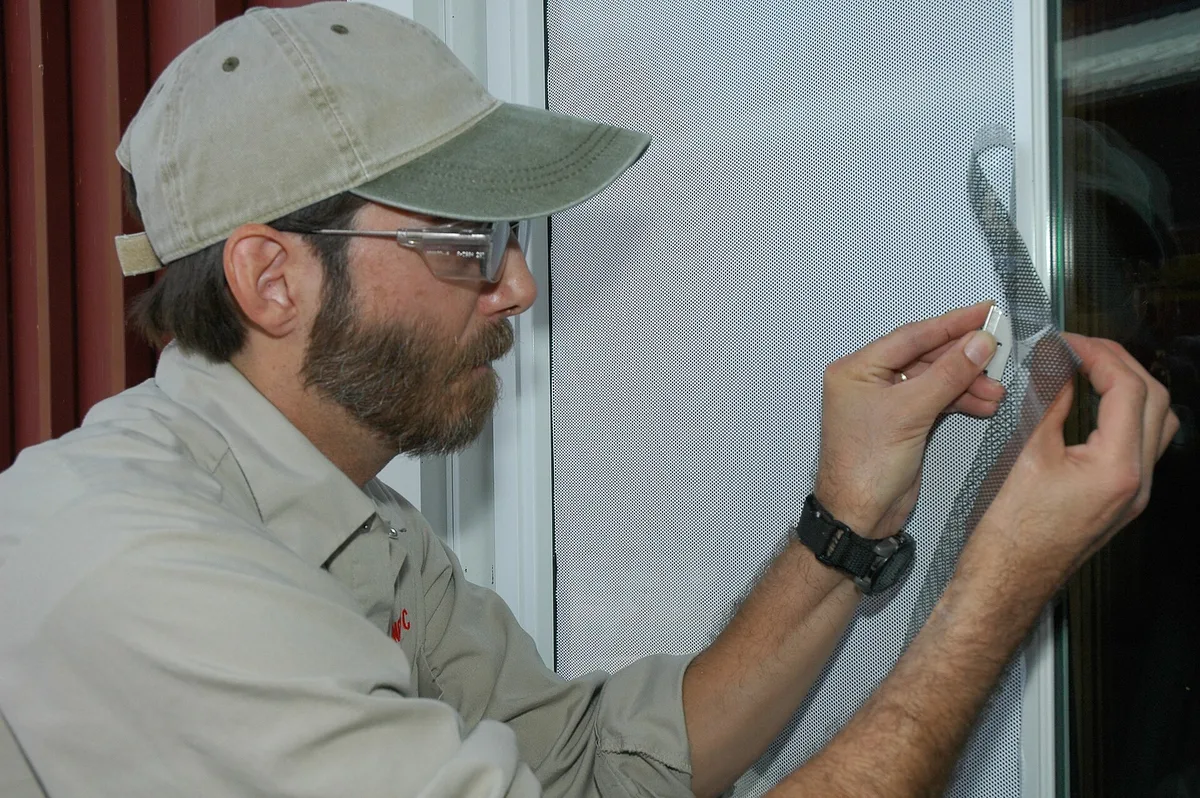
Steps below match the standard procedure for adhesive-backed film on flat, clear glass. Static-cling sheets skip the spray-and-peel steps; check your product's instructions, since application details vary by brand and version.
- Clean the glass. Wash with soapy water, scrape off any paint specks with a razor blade held flat, then wipe with plain water. Any particle left behind will show as a bump under the film.
- Measure and cut. Cut the film about an inch larger than the pane on every side. Trim to size after it is on the glass.
- Wet the glass. Spray a generous coat of water with a drop of dish soap mixed in. The film will slide on this layer — that is how you position it.
- Peel and lay. Peel the backing a few inches at a time. Spray the adhesive side as you go so it never touches itself. Lay the film on the wet glass, adhesive side down.
- Squeegee outward. Work from the center out to the edges, pushing water and air bubbles ahead of the blade. Work top to bottom on tall panes.
- Trim the edges. Hold a straightedge against the frame and cut the excess with a sharp blade. Squeegee the edges once more to seal them.
- Let it cure. Leave the film alone for the curing period the manufacturer states — often several days — before washing the glass or worrying about remaining haze. Small water pockets usually dry out on their own.
Common failures, in order of frequency: dirty glass under the film, too little slip solution so the film grabs and creases, and dull blades that tear the edge on the trim cut. A fresh blade per pane is cheap insurance.
What film cannot do
Privacy film is a sightline tool, not a security product. It will not stop a break-in; standard film does not strengthen glass against impact, and security-grade film is a different, thicker product with its own standards. It also does nothing about cameras or microphones — a window film cannot address surveillance that does not depend on seeing through glass. For the digital side of that problem, our guide to stopping app location tracking covers the settings that matter.
Film also does not block all observation. Frosted film at close range can still show a blurred silhouette of a person standing at the glass. If that silhouette itself is the problem — a bathroom window facing a neighbor's upper floor — pair the film with a curtain or blind rather than relying on the film alone.
Practical takeaways
Our analysis of the options: frosted film is the right default for most homes because it works day and night and costs the least; mirrored film earns its place on daytime-only problem windows; decorative film is best treated as a design choice with a privacy rating you verify, not assume.
Before buying, do three things. Measure every pane and note which ones face the street versus neighbors. Decide whether you need nighttime privacy — if so, frosted or a blind, not mirrored. And check the product's stated privacy distance and any warranty terms, since those two lines on the spec sheet separate a film that works from one you will replace in a year.
Physical boundaries and digital ones need the same discipline. If you are working through your home's exposure end to end, our guide to auditing app permissions in one sitting applies the same measure-then-fix approach to your phone.