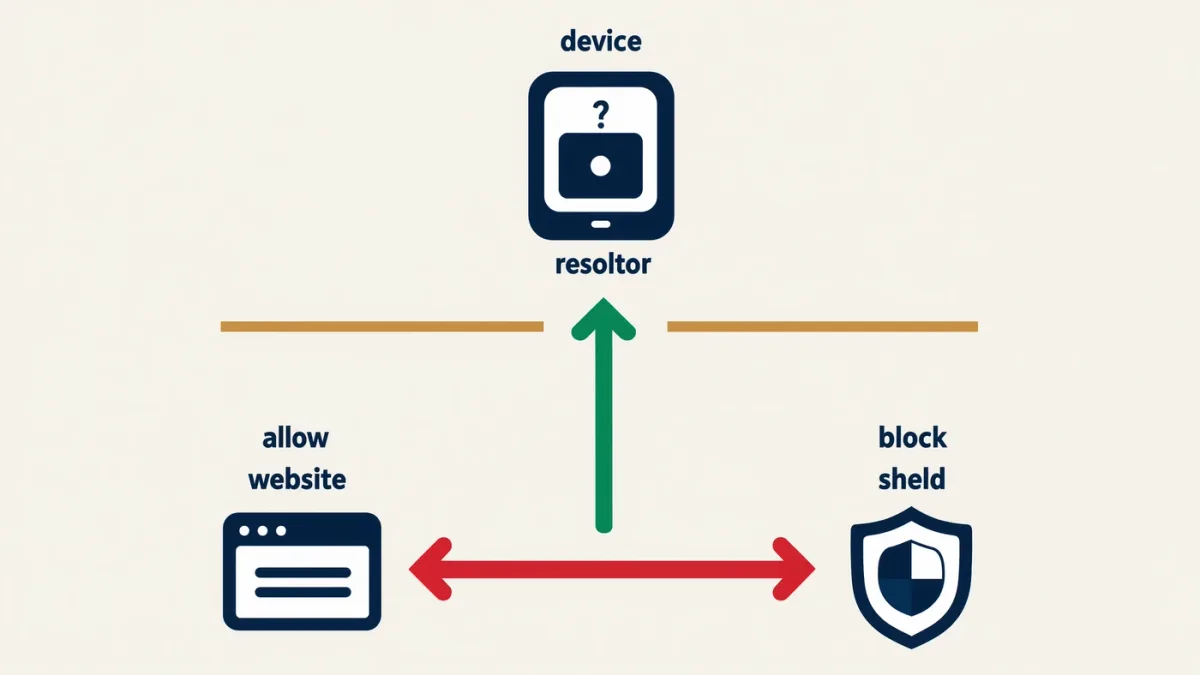
DNS filtering blocks whole categories of bad domains before anything loads — malware hosts, phishing pages, adult content — and configuring it takes one setting on your router or devices.
A compromised email account is a master key — recover it first, then evict the intruder's persistence, then survey what else it unlocks, in exactly this sequence.
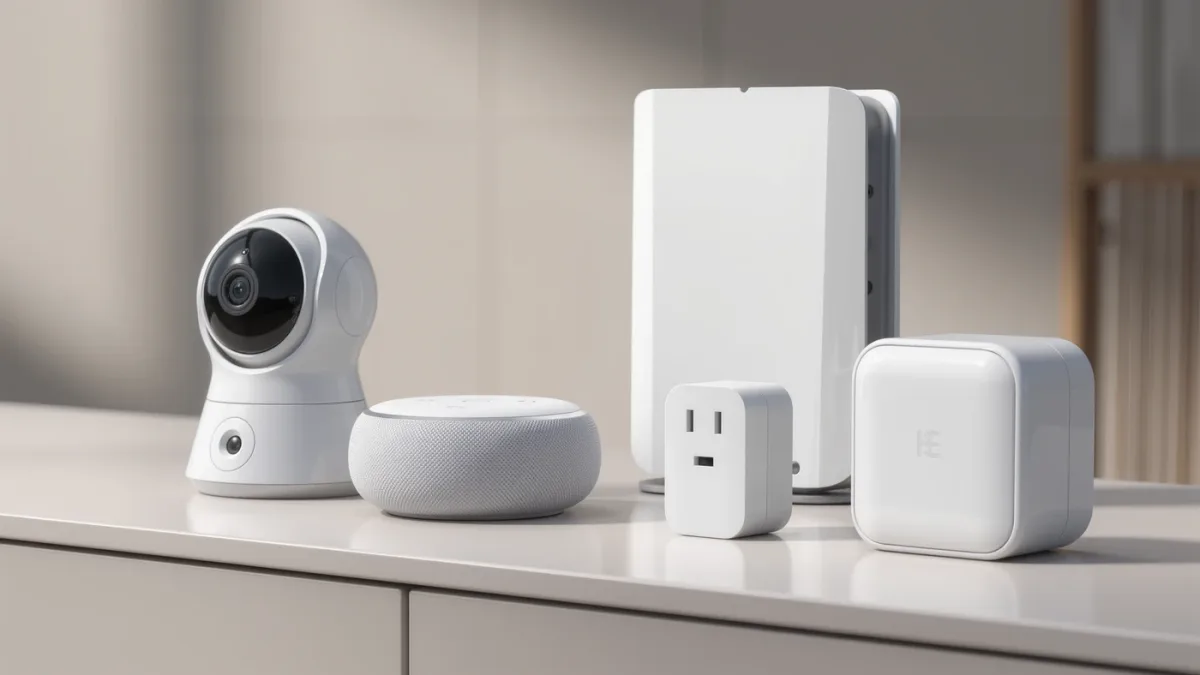
Putting IoT gadgets on a separate Wi-Fi network means a compromised camera can't reach your laptop — and every modern router already has the feature, labeled guest network.
A firewall filters network traffic by rules — allowing expected connections and blocking unsolicited ones — and the one built into your OS and router already covers home users if left alone.
Most breaches exploit flaws fixed months earlier — a simple patch routine of automatic updates plus a short monthly checklist closes the gap for homes and small offices.
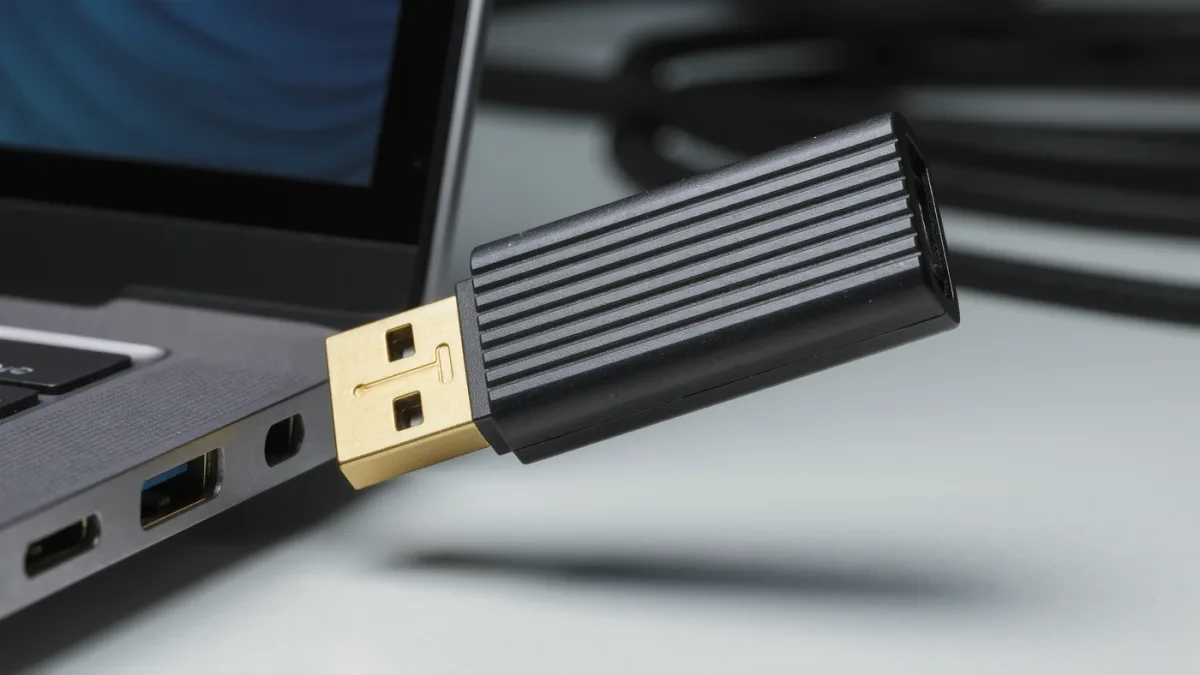
A hardware security key proves your presence with a physical FIDO2 device no phisher can clone — buy two, register both, and phishing on your key-protected accounts is effectively finished.