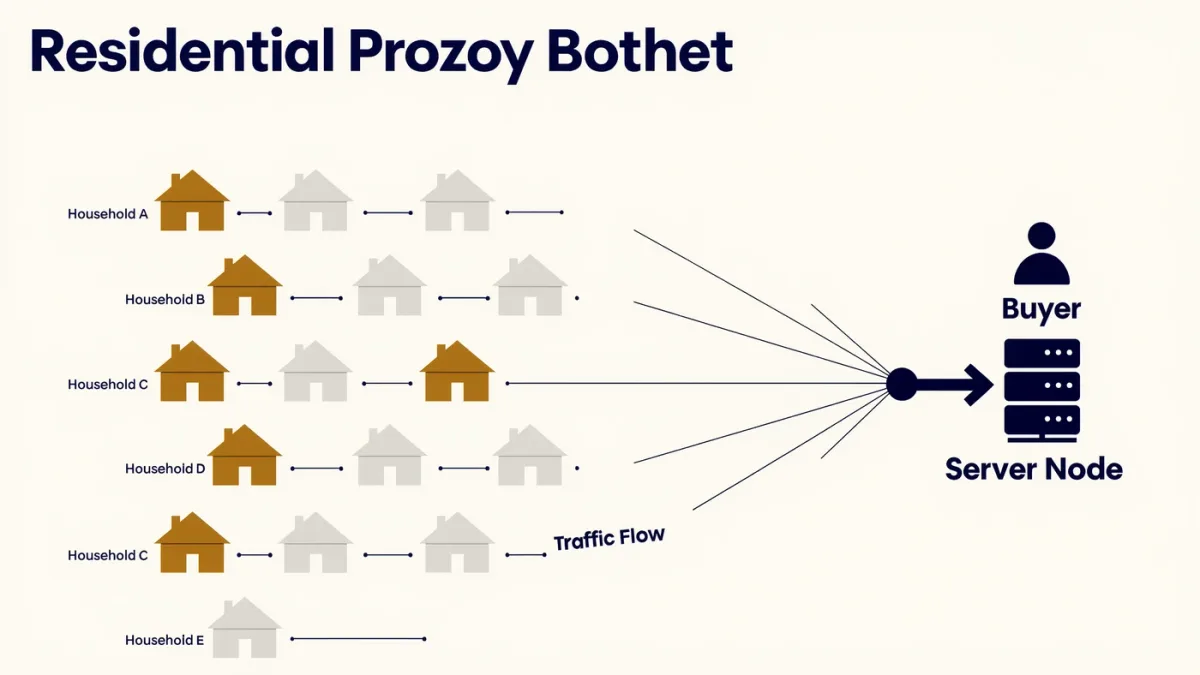
Botnets conscript insecure devices into criminal infrastructure; the modern twist is renting them out as residential proxies that make scam traffic look like home users.
Voice phishing and email impersonation cons staff into approving payments and handing over MFA codes — the FBI's loss leader — and the defense is out-of-band verification, not better spam filters.
Infostealers grab saved passwords, session cookies, and crypto wallets in seconds and feed them into criminal logs — your accounts fall without a single phish being clicked.
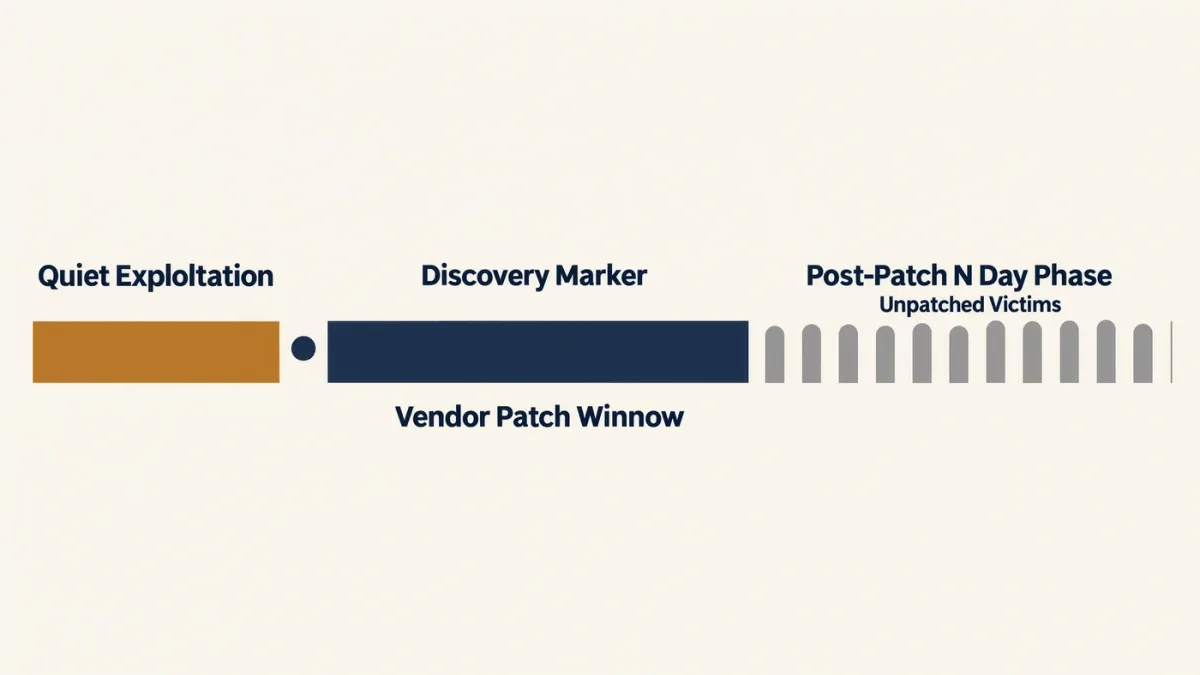
A zero-day is a flaw the vendor has had zero days to fix — attackers exploit it before a patch exists, and defenders lean on detection and speed rather than updates.
AI voice cloning needs seconds of audio to imitate a voice — the defense is a family verification codeword and a call-back rule that no emergency survives.
Malvertising hides malware behind paid ads and sponsored search results — victims searching for real software click the ad, download a trojanized installer, and infect themselves with the vendor's own name on it.